Struggling with constant hunger on a vegetarian diet? You’re not alone. Many new vegetarians worry about staying satisfied without meat, but the truth is that high protein vegetarian meals for satiety can keep you fuller longer than many traditional meat-based dishes.
The secret lies in understanding how different vegetarian protein sources work together to create lasting fullness. When you combine the right proteins with fiber and healthy fats, you’ll discover that plant-based eating can be incredibly satisfying.
This guide will walk you through 7 proven strategies to create high protein vegetarian meals for satiety that eliminate between-meal cravings and keep your energy stable throughout the day.
How Protein and Fiber Work Together for Fullness
Understanding the science behind satiety is your first step toward creating satisfying vegetarian meals. Protein triggers the release of hormones like GLP-1 and cholecystokinin (CCK), which signal fullness to your brain.
Fiber adds another layer of satisfaction by slowing digestion and adding bulk to your meals. When you combine high-protein plant foods with fiber-rich vegetables and grains, you create a powerful satiety combination.
According to research published in the Journal of Nutrition, meals containing both protein and fiber increase satiety hormones more effectively than either nutrient alone.
The key is choosing vegetarian protein sources that naturally contain fiber, such as legumes, quinoa, and nuts. These foods provide sustained energy release and help prevent the blood sugar spikes that lead to cravings.
High-Volume, Low-Calorie Vegetarian Protein Sources
Volume eating is a game-changer for vegetarian satiety. By choosing protein sources that provide bulk without excessive calories, you can eat satisfying portions while maintaining your health goals.
Greek yogurt tops the list with 20 grams of protein per cup and only 130 calories. Its thick texture and tangy flavor make it incredibly filling, especially when combined with berries and nuts.
Cottage cheese offers similar benefits with 28 grams of protein per cup. Despite its reputation, modern cottage cheese varieties are creamy and delicious when mixed with herbs, vegetables, or fruit.
Egg whites provide pure protein at just 17 calories each. Create volume by making vegetable-packed egg white scrambles or protein-rich frittatas loaded with spinach, mushrooms, and bell peppers.
Combining Healthy Fats with Plant Proteins
Fat plays a crucial role in creating high protein vegetarian meals for satiety. While protein signals immediate fullness, healthy fats slow gastric emptying and provide lasting satisfaction.
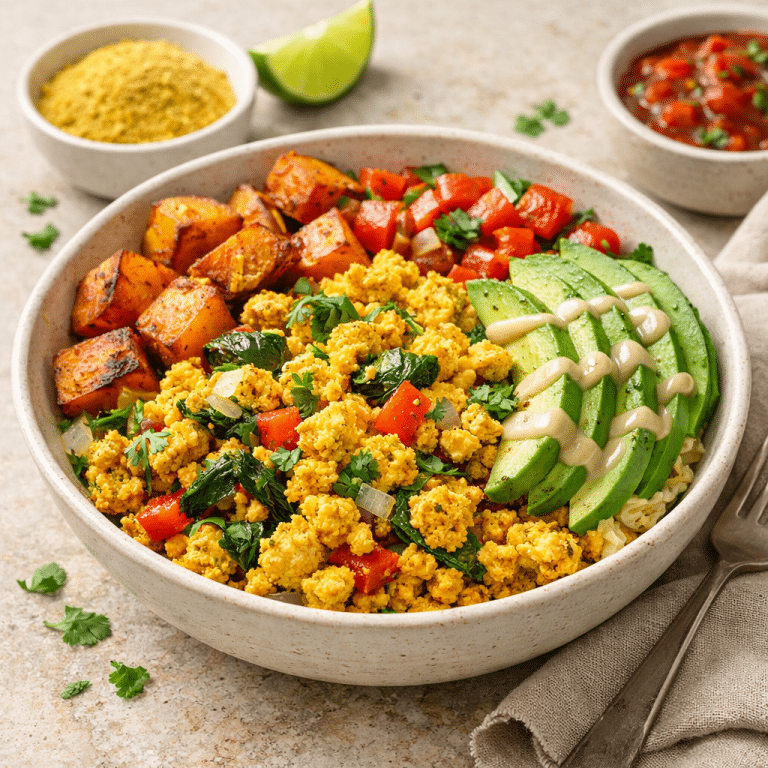
Avocados pair perfectly with black beans in burrito bowls or salads. The combination provides complete protein when beans are paired with whole grains, plus the monounsaturated fats keep you satisfied for hours.
Nuts and seeds offer both protein and healthy fats in convenient packages. Almonds provide 6 grams of protein per ounce, while hemp seeds deliver 10 grams of complete protein per 3 tablespoons.
Try tahini (sesame seed paste) as a protein-rich sauce for roasted vegetables and quinoa. Two tablespoons provide 5 grams of protein and create incredibly satisfying Mediterranean-inspired meals.
Slow-Digesting Lentil and Bean Recipes
Legumes are the cornerstone of satisfying vegetarian eating. Their combination of protein, fiber, and complex carbohydrates creates sustained energy release that prevents hunger between meals.
Red lentils cook quickly and provide 18 grams of protein per cup. They work beautifully in curries, soups, and dal preparations that can be made in under 30 minutes.
Black beans and chickpeas offer versatility and staying power. One cup of cooked chickpeas provides 15 grams of protein and 12 grams of fiber, making them perfect for hearty salads, hummus, and roasted snacks.
Consider meal prepping large batches of seasoned legumes at the beginning of each week. Having cooked beans and lentils ready makes it easy to add satisfying protein to any meal.
Greek Yogurt and Cottage Cheese Satiety Benefits
Dairy-based proteins deserve special attention for their exceptional satiety properties. Greek yogurt and cottage cheese contain casein protein, which digests slowly and provides sustained amino acid release.
The thick, creamy texture of these foods also triggers satiety signals through what scientists call “oral processing time.” The longer you spend chewing and tasting your food, the more satisfied you feel.
Greek yogurt parfaits with granola and berries make excellent breakfast or snack options. Layer vanilla Greek yogurt with high-protein granola and fresh fruit for a meal that provides over 25 grams of protein.
Cottage cheese works beautifully in both sweet and savory applications. Try it with sliced peaches and cinnamon for dessert, or mix with herbs and vegetables for a protein-rich side dish.
Meal Timing Strategies to Prevent Cravings
When you eat high protein vegetarian meals for satiety matters almost as much as what you eat. Strategic meal timing can prevent cravings and maintain steady energy levels throughout the day.
Start your day with a protein-rich breakfast within two hours of waking. This sets a stable blood sugar foundation and prevents mid-morning energy crashes that lead to poor food choices.
Include protein in every meal and snack, aiming for 20-30 grams at main meals and 10-15 grams at snacks. This consistent protein intake maintains muscle protein synthesis and satiety hormones.
Consider eating your largest, most protein-dense meal earlier in the day when your metabolism is highest. This approach, supported by Harvard Health Publishing research, can improve satiety and metabolic health.
Hydration’s Role in Protein Satiety
Proper hydration amplifies the satiety effects of protein-rich vegetarian meals. Water helps your body process protein efficiently and can prevent mistaking thirst for hunger.
Drink water before and during meals to help your stomach recognize fullness signals. This is particularly important with high-fiber vegetarian proteins that need adequate hydration to prevent digestive discomfort.
Herbal teas and broths can add variety to your hydration routine while supporting satiety. Miso soup with tofu provides both hydration and protein, making it an excellent pre-meal option.
Consider the timing of your fluid intake. Drinking large amounts of water immediately after high-protein meals can dilute digestive enzymes, so aim to hydrate consistently throughout the day rather than all at once.
Common Mistakes to Avoid
Many beginners make the mistake of relying too heavily on processed vegetarian proteins like fake meats and protein bars. While these can be convenient, whole food proteins provide better satiety and more complete nutrition.
Another common error is not combining proteins properly. Single amino acid profiles from individual plant proteins don’t provide the same satiety as complete proteins or properly combined incomplete proteins.
Skipping healthy fats is a major satiety mistake. Fat-free vegetarian meals often leave you hungry within hours, leading to overeating later in the day.
Don’t forget about portion sizes. Even healthy vegetarian proteins can contribute to weight gain if portions are excessive. Use measuring cups initially to learn appropriate serving sizes.
Essential Tools and Supplies
A high-speed blender makes protein smoothies quick and convenient. Look for models that can handle frozen fruits and tough greens for maximum versatility.
Food storage containers are crucial for meal prep success. Invest in glass containers with tight-fitting lids to keep prepared proteins fresh throughout the week.
A kitchen scale helps ensure accurate protein portions, especially when you’re learning about vegetarian protein sources. Digital models with tare functions work best for recipe scaling.
Consider a slow cooker or Instant Pot for hands-off legume preparation. These appliances make it easy to cook large batches of beans and lentils with minimal effort.
Tips for Long-Term Success
Start gradually by replacing one meat-based meal per day with a high protein vegetarian meal for satiety. This approach allows your taste buds and digestive system to adjust slowly.
Experiment with international cuisines that naturally emphasize vegetarian proteins. Indian dal, Mediterranean hummus, and Mexican bean dishes offer delicious inspiration for satisfying meals.
Keep a food diary during your first few weeks to identify which protein combinations keep you satisfied longest. Everyone responds differently to various protein sources.
Don’t be afraid to supplement with plant-based protein powder if whole foods aren’t meeting your needs. Look for blends that combine multiple protein sources for better amino acid profiles.
Remember that developing satisfying high protein vegetarian meals for satiety is a skill that improves with practice. Be patient with yourself as you learn what works best for your body and lifestyle. These 7 strategies provide a solid foundation for creating meals that keep you satisfied, energized, and committed to your vegetarian journey.